


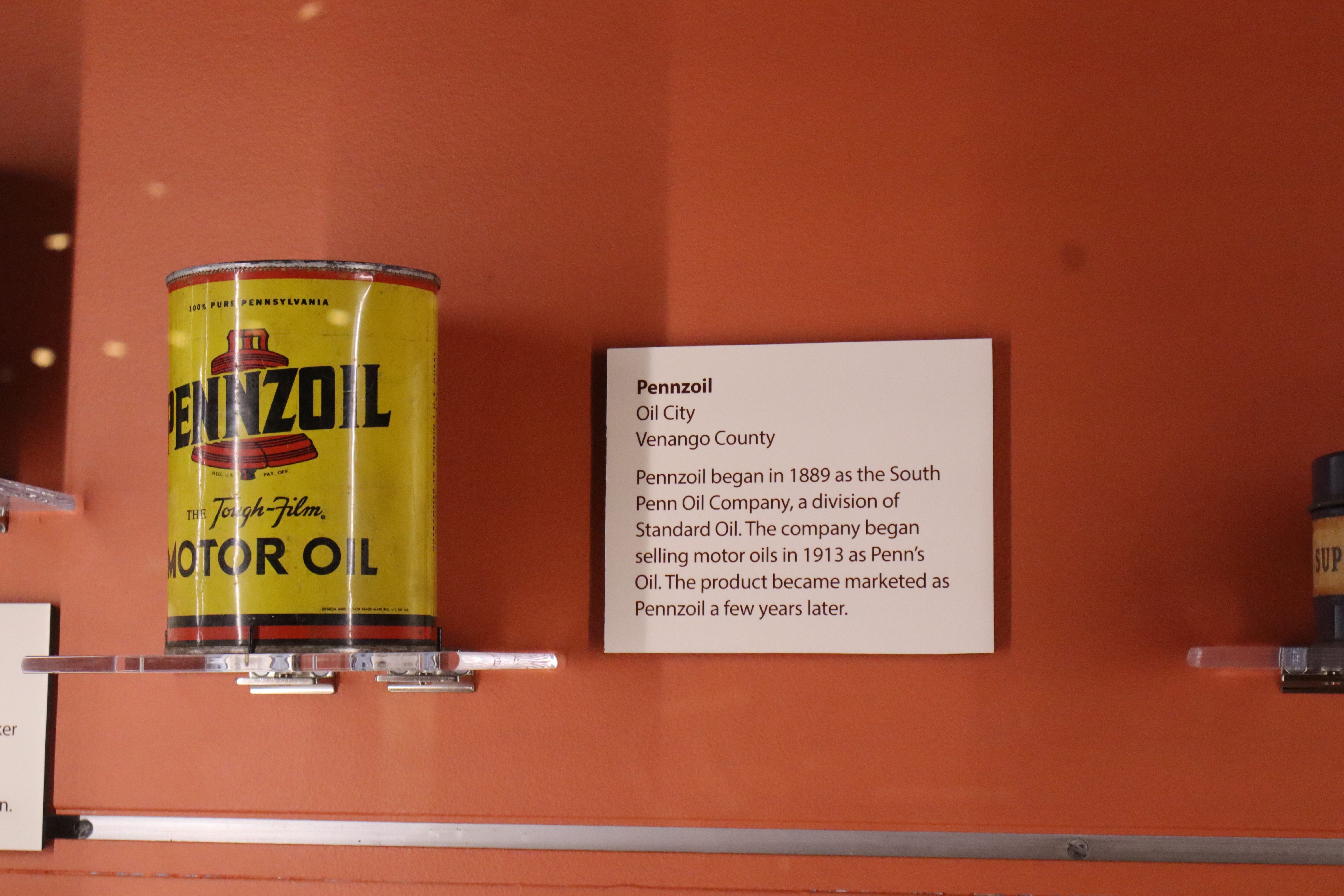
We built towns through oil booms, hard work, and people depending on one another. Today, thousands of us can share the same streets and still live like strangers. Maybe rebuilding community starts smaller than we think.
Not necessarily about motor oil. Not even about Pennzoil.
About community.
Our corner of Pennsylvania knows what it looks like when communities grow quickly. The oil boom brought people here looking for opportunity. Towns grew. Businesses opened. Streets filled. People built homes, churches, organizations, schools, and lives.
It certainly wasn’t perfect. History rarely is.
But people had to figure out how to live alongside one another.
And that has me wondering:
Could we do that again?
Thousands of People. A Lot of Strangers.
Think about your own community.
There may be thousands—or tens of thousands—of people living within a few miles of you.
How many do you actually know?
We drive past one another. Stand in the same checkout lines. Sit near each other at school events. Walk through the same parks. Complain about the same potholes.
Yet we’re often strangers.
And sometimes, when we finally do talk, it doesn’t go particularly well.
Politics.
Schools.
Taxes.
Religion.
What should happen downtown.
What shouldn’t happen downtown.
Who is doing too much.
Who isn’t doing enough.
Before long, a minor disagreement becomes the only thing we know about another person.
That’s a strange way to build a community.
We Don’t Have to Agree
Maybe we’ve confused community with agreement.
They aren’t the same thing.
Your neighbor doesn’t have to vote like you.
The parent sitting beside you doesn’t have to educate their child the same way you educate yours.
The business owner downtown doesn’t have to see every issue exactly the way you do.
You can disagree with somebody and still shovel their sidewalk.
You can disagree and still buy something from their store.
You can disagree and still ask how their kids are doing.
You can disagree and still sit down over breakfast.
Maybe community begins when we decide that the things separating us don’t always have to be bigger than the things connecting us.
What Can the Boom Years Teach Us?
Look around Western Pennsylvania and you’ll find reminders everywhere of people who built things.
Oil created enormous growth here. Industries rose. Buildings went up. Businesses appeared. Organizations were formed.
Some survived.
Some disappeared.
Some became little more than names on old buildings, photographs in museums, or artifacts sitting behind glass.
But the lesson isn’t that everything they built lasted forever.
The lesson might be that they built something in the first place.
Someone had an idea.
Someone else showed up.
Someone invested.
Someone volunteered.
Someone disagreed.
Someone probably complained.
And eventually somebody picked up a hammer and got to work anyway.
Community wasn’t something they ordered online.
It was participation.
Maybe We Start Small
We probably aren’t going to wake up tomorrow morning and suddenly rediscover some perfect version of small-town America.
I’m not convinced that perfect version ever existed.
But we can do something.
Introduce yourself to somebody.
Attend the community breakfast.
Walk into the little store you’ve passed a hundred times.
Take your kids to the local museum.
Learn why that old building is there.
Ask an older neighbor what the town used to be like.
Volunteer for something.
Show up at an event where you don’t know everyone.
And maybe—this one is increasingly important—talk to someone you disagree with without trying to defeat them.
Listen.
Ask questions.
Find the little piece of common ground.
Then build from there.
Can We Take It Back?
I don’t mean taking our communities backward.
I mean taking back the idea that a community belongs to the people willing to participate in it.
The oil boom is over.
The world that created that Pennzoil can is gone.
But we’re still here.
Our streets are still here.
Our neighbors are still here.
Our kids are watching what we do with all of it.
Maybe the next great boom isn’t oil.
Maybe it’s connection.
Maybe it’s participation.
Maybe it’s simply deciding that the stranger across town isn’t really that different from us after all.
So here’s the question I’m wrestling with:
What would it take for your community to actually feel like a community again?
And more importantly—
what’s one small thing each of us could do this week to start building it?