


There’s something about a baseball game that just feels right.
The crack of the bat, the hum of the crowd, and somewhere in the background
— that familiar call:
“Peanuts… popcorn…”
It’s so normal now we don’t even think about it.
But there was a time when none of it existed.
No hot dogs in your hand, no vendors weaving through the aisles, no rhythm to the experience outside the game itself.
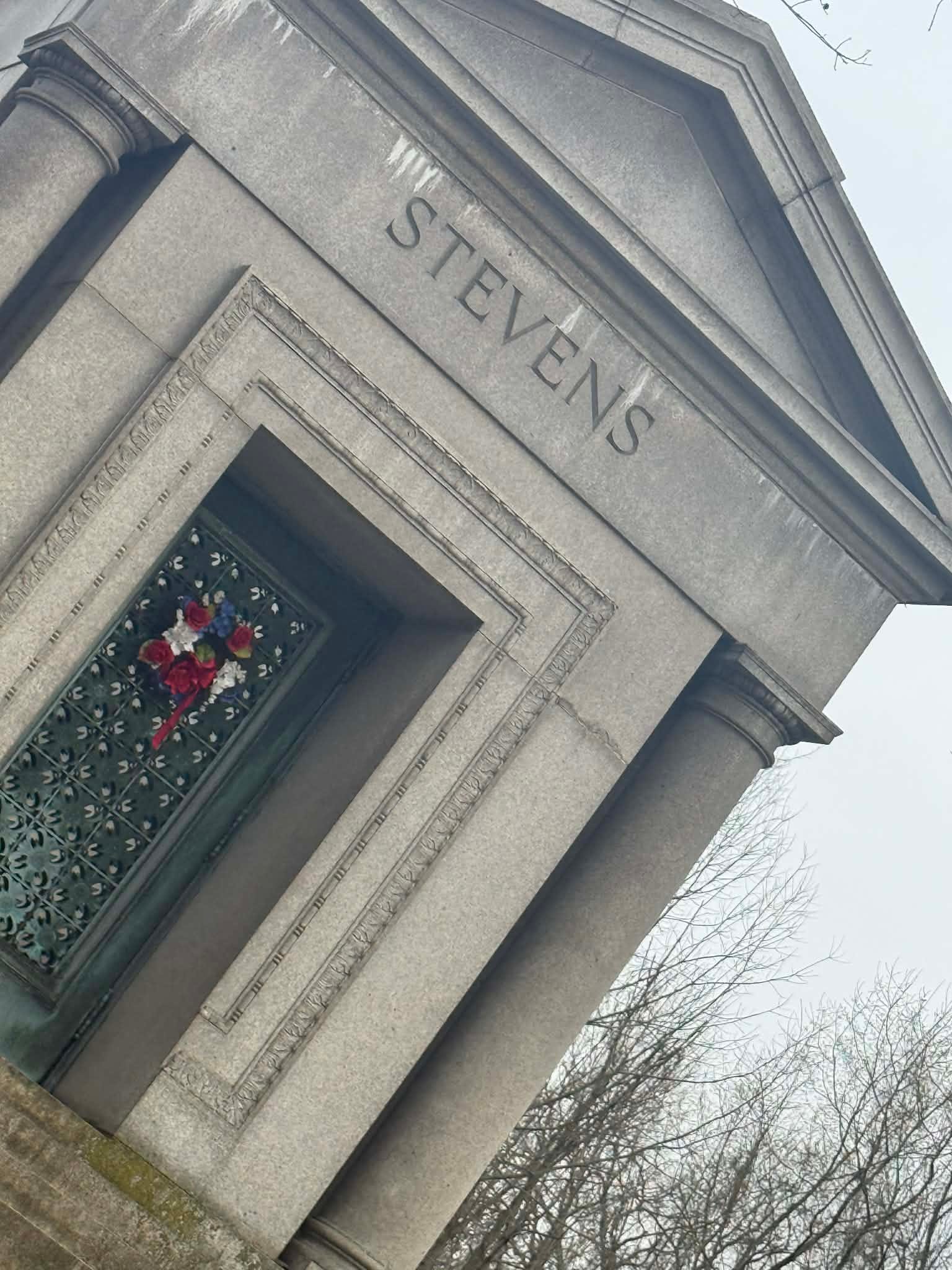
And that’s where Harry M. Stevens quietly changed everything.
Picture this:
a minor league game in the early days, rough edges everywhere. Fans watching, but something was missing.
Not the game — the experience.
Stevens saw it, not as a spectator but as a builder.
He didn’t just watch the crowd, he listened to it.
And instead of waiting for people to come to the food, he flipped the entire idea.
Bring the food to the people.
Not with signs, not with stands, but with a voice
“Peanuts… popcorn…”
It sounds simple now, almost obvious, but at the time it was a shift — a moment where baseball stopped being just a game and became something more alive.
Then came the cold days, the kind where no one wanted cold soda or ice cream.
Sales dropped and the crowd pulled back.
Most people would have accepted it.
Stevens didn’t.
Instead, he adapted.
Warm sausages, fresh rolls, mustard, relish — something you could hold onto in the cold, something that felt like part of the game.
They called them “dachshund sandwiches” at first, a name that didn’t quite stick, until a cartoonist trying to spell it changed it forever: hot dogs.
Think about that. Every time you go to a ballpark, every time you grab a hot dog without thinking twice, you’re stepping into a moment that started over a century ago — built by someone who saw more than a game.
He saw people, he saw opportunity, he saw the details. And here’s the part that sticks with me.
This story doesn’t start in some massive city. It ties back to places like Niles, Ohio — the kind of town most people pass through without realizing what came from it.
That’s the thing about these places and these people.
They don’t always look like history when you’re standing in front of them.
Sometimes it takes a second look, a little curiosity, a willingness to ask, “Who was this?
” Because sometimes the biggest parts of our everyday lives — the things we never question — started with someone who simply paid attention when no one else did.